WhatsApp Marketing for Clinics in Hyderabad: The Complete Guide to Patient Engagement, Reminders and Reviews
A patient books a 4pm slot at a dermatology clinic in Jubilee Hills. They forget. The clinic doesn’t call, doesn’t text, doesn’t ping them on anything. Chair sits empty, doctor loses a billable slot, and the patient feels vaguely guilty for a day and then forgets that too. Multiply that by even 8 to 10 no-shows a week and you’re looking at a clinic quietly bleeding revenue every single month… and honestly, most owners I’ve talked to in Hyderabad just shrug and call it normal.
It isn’t normal. It’s a fixable operations problem wearing a marketing costume. And the fix, most of the time, is stupidly simple: WhatsApp.
Why WhatsApp marketing for clinics actually works here
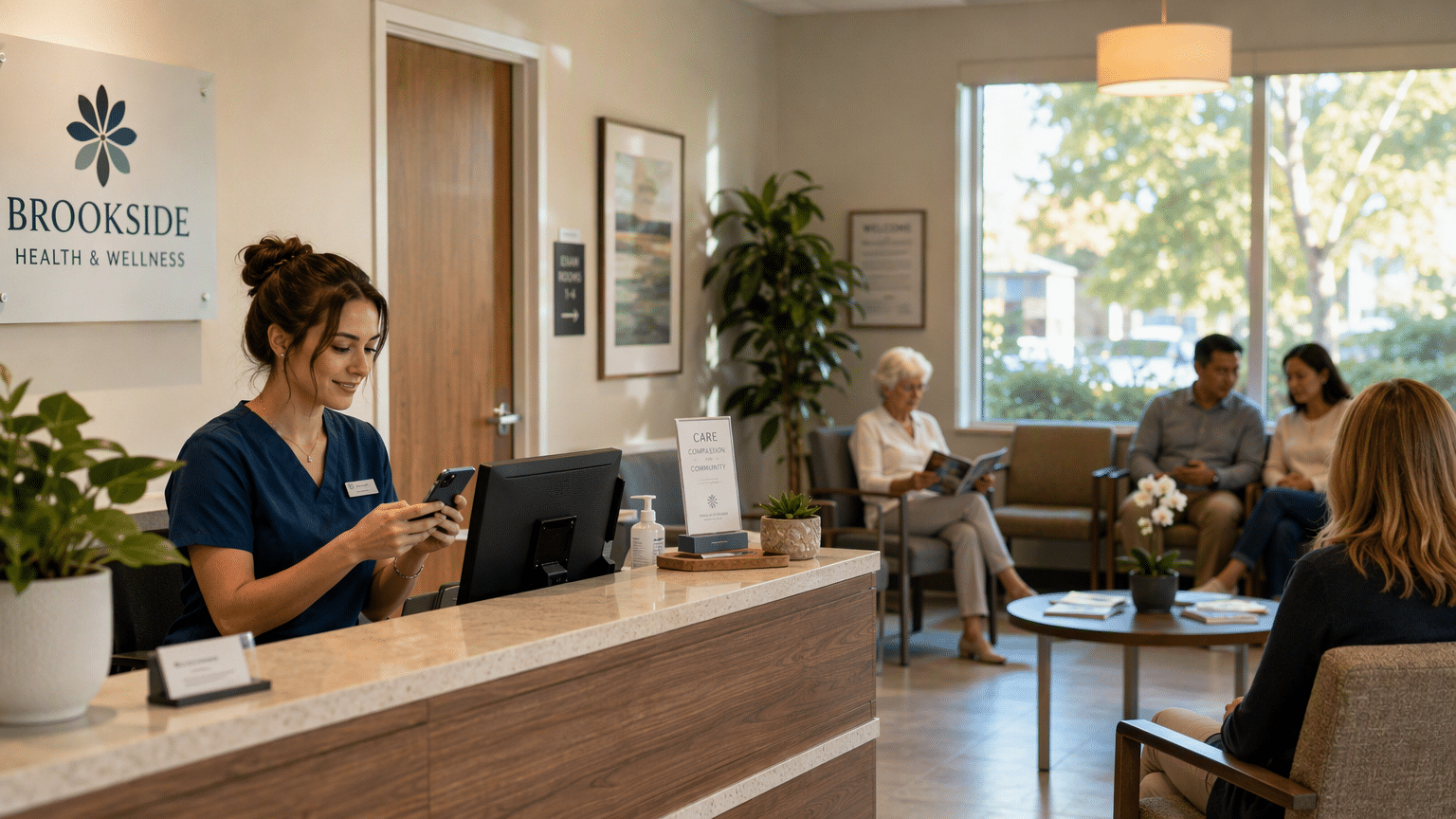
Here’s the thing – in Hyderabad, WhatsApp open rates blow email out of the water. I’ve seen clinic clients get 90%+ open rates on WhatsApp reminders versus something like 20% on SMS and barely 10% on email. That’s not a typo. People in Banjara Hills, Kukatpally, wherever, live inside WhatsApp the way they used to live inside SMS ten years ago. It’s the default communication layer now, full stop.
Whatsapp marketing for clinics isn’t really “marketing” in the loud, billboard sense. It’s closer to relationship infrastructure. You’re using a channel patients already check 40, 50 times a day to do three unglamorous jobs: remind them, follow up with them, and ask them for feedback at the right moment. That’s basically the whole game.
WhatsApp Business API vs a personal number – pick this correctly or regret it
This is where I see clinics mess up constantly. A front desk person uses their own personal WhatsApp number to text patients. Works fine… for about three weeks. Then that staff member quits, takes the chat history and the number with them, and the clinic’s entire patient communication trail just vanishes. I’ve watched this happen to a multi-specialty clinic in Kondapur. Not fun.
You’ve got two real options:
- WhatsApp Business App (free) – fine for a single-doctor practice with low volume, maybe under 50 conversations a day. Manual, no automation, no CRM tie-in.
- WhatsApp Business API (via a provider like Interakt, AiSensy, or Gupshup) – this is what a real whatsapp business for doctors setup should run on. You get automated appointment reminders, template messages approved by Meta, multi-agent access, and integration with your booking system or CRM.
Cost-wise, expect somewhere in the range of 1,000 to 3,000 rupees a month for the platform layer, plus Meta’s conversation-based pricing which, from what I can tell as of recent rate cards, runs roughly 0.30 to 0.80 rupees per conversation depending on category (utility, marketing, authentication). Utility messages – like reminders – are cheaper than marketing blasts. That distinction actually matters for your budget, so don’t skip it.
Appointment reminders: the unglamorous feature that pays for everything else
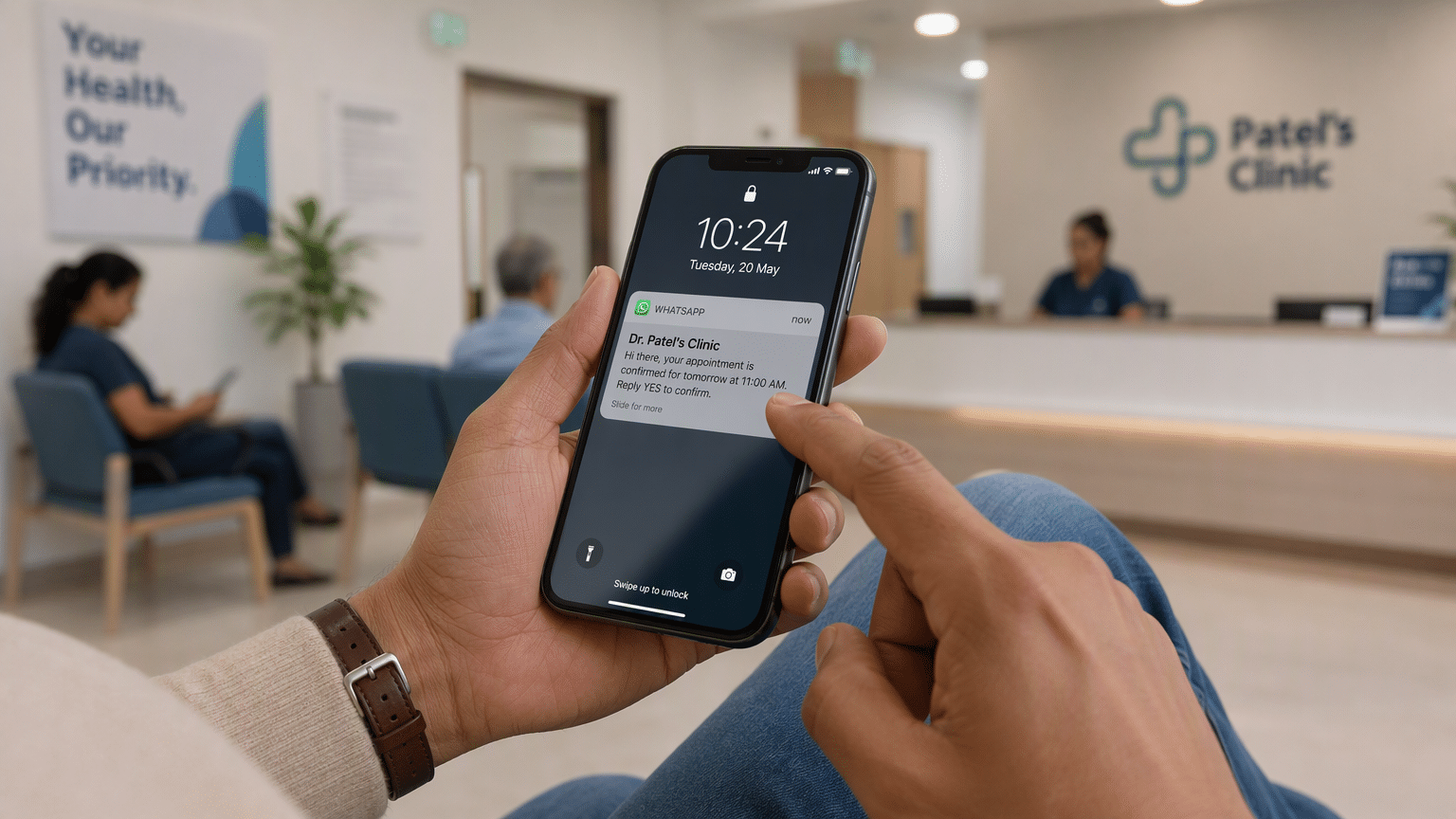
Whatsapp appointment reminders for clinics are, in my opinion, the single highest-ROI use of this whole channel. Not the flashy stuff. Not the promotional blasts about a new laser treatment. Reminders.
Set up a template that fires 24 hours before the appointment and another one 2 hours before. Two touches, not one. Clinics that do just the 24-hour reminder still see meaningful no-show rates because people forget again in the gap. Add the 2-hour nudge and no-shows typically drop by 25-40% based on what I’ve seen across a handful of clinic accounts (small sample, take it with a grain of salt, but the direction is consistent).
A WhatsApp reminder that lets a patient reply “confirm” or “reschedule” in one tap is worth more than any Instagram reel you’ll ever post for a clinic.
Post-visit reviews and the patient engagement whatsapp loop
Reviews are where things get interesting – and a little touchy, because healthcare and public reviews have to be handled carefully. You are not asking patients to review their diagnosis. You’re asking about the experience: wait time, staff courtesy, how comfortable the visit felt.The mechanics: send a review request template 2 to 4 hours after the visit, not immediately (patients are literally still in the parking lot, give them a minute) and not three days later (they’ve moved on). Link straight to your Google Business Profile review link. Keep the message to two lines. Something like, “Thanks for visiting [Clinic Name] today. Would you mind sharing a quick review? It helps other patients find us.” No emojis stacked five deep, no exclamation marks doing all the emotional labor.This is also where patient engagement whatsapp really earns its keep beyond the transactional stuff – birthday wishes for pediatric patients, post-op check-in messages, medication refill nudges for chronic care patients. Small touches. They add up to a clinic that feels like it actually remembers you, which, in a city with this many clinics per square kilometer, is a real differentiator.
Consent, opt-in and the compliance part nobody wants to read (but you should)
Okay, the less exciting section, but skip it and you’ll regret it. You cannot just message every phone number that’s ever walked through your clinic door. Meta’s WhatsApp Business Policy requires opt-in before you send marketing-category messages – a signed consent form at intake, a checkbox during online booking, something documented. Utility messages like appointment reminders have slightly more leeway since they’re transactional, but best practice (and honestly, basic decency) says get consent for everything.There’s also the healthcare data angle – patient information shared over WhatsApp should stay limited to scheduling and general wellness content, not diagnostic details or reports. Keep clinical data off WhatsApp entirely and route it through a proper patient portal if you have one. This isn’t legal advice, obviously, talk to someone who actually specializes in healthcare compliance in India for the specifics, but as a general operating principle: WhatsApp for logistics, not for medical records.
Where this fits with the rest of your marketing
WhatsApp doesn’t work in isolation, and treating it like a standalone tactic is a mistake I see a lot. It’s the retention and reminder layer that sits underneath everything else you’re doing to bring patients in the door in the first place. If you’re running paid search, our Google Ads for Clinics guide covers how to capture that first-time search intent (someone Googling “dermatologist near me Gachibowli” at 11pm). And if you’re building awareness before someone even searches, our Social Media Marketing for Doctors piece walks through that top-of-funnel piece. WhatsApp is the thread that connects both of those to what actually happens after the click – the booked, attended, reviewed visit.
What This Actually Means
Most clinics in Hyderabad are still treating WhatsApp like an afterthought – a place to send the occasional Diwali greeting graphic. That’s leaving money on the table, and not a small amount either. The clinics quietly winning right now aren’t the ones with the flashiest Instagram feed. They’re the ones where a patient gets a reminder at 2pm, shows up at 4pm, and gets asked how it went by 6pm. Nothing clever about it. Just consistent. Which, in healthcare marketing, might be the most underrated word there is.