
Online Reputation Management for Doctors in Hyderabad: How to Turn Google Reviews Into More Patients
A dermatologist in Jubilee Hills called me last month because her appointment bookings had dropped almost 30% in eight weeks. Nothing changed about her clinic. Same location, same staff, same equipment. What changed was her Google rating… it slipped from 4.6 to 3.9 after four back to back negative reviews about wait times. That’s it. Four reviews. And her phone basically stopped ringing.
Here’s the thing – patients in Hyderabad don’t call around and ask friends anymore, not the way they did even five years ago. They Google “dermatologist near me,” they look at the stars, they read maybe two or three reviews, and they decide. Studies (and honestly, our own client data backs this up) show that over 80% of patients check Google ratings before booking a doctor. Not after. Before. So if your online reputation management for doctors strategy is basically “we’ll deal with it if something bad happens,” you’re already behind.
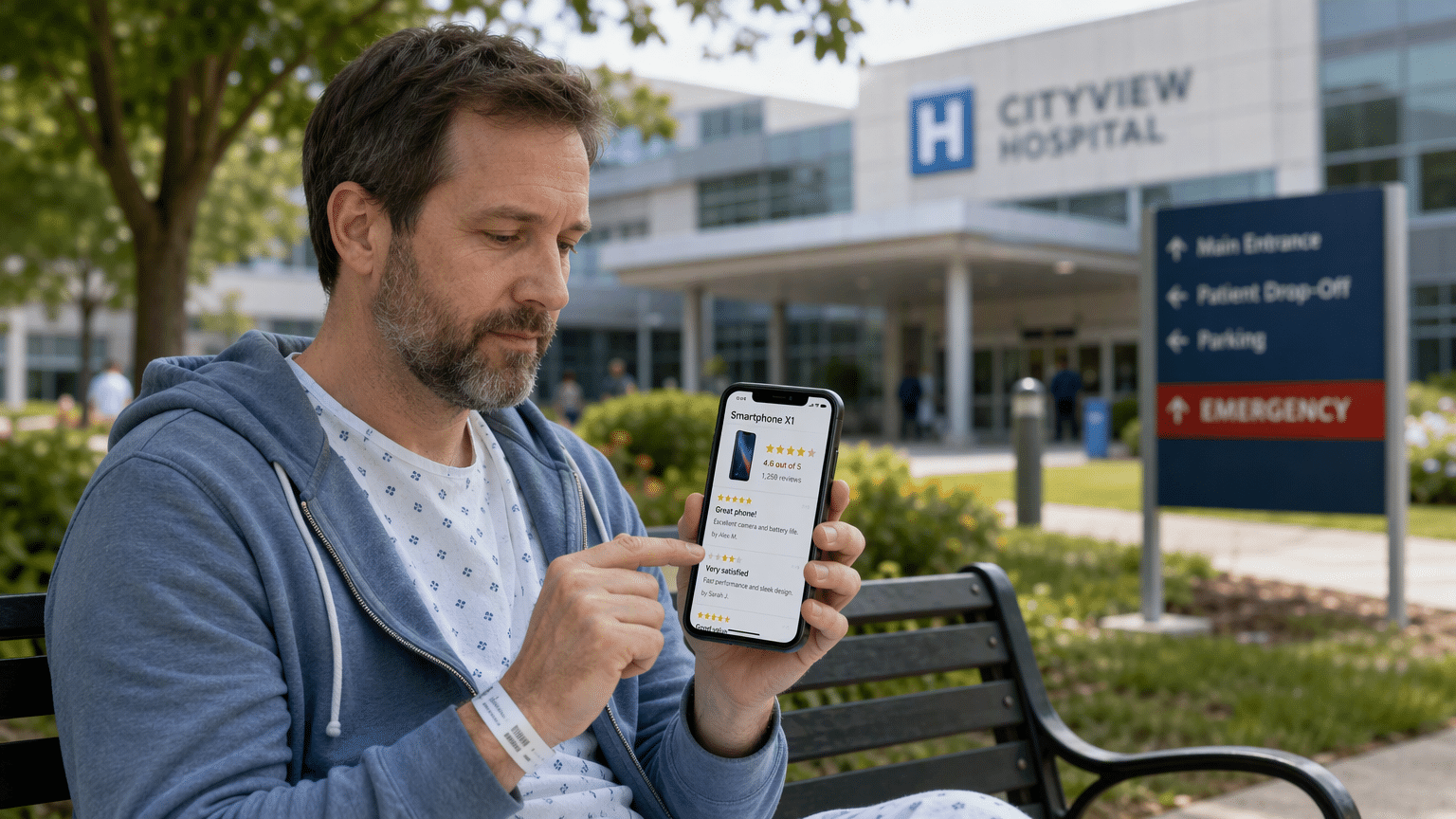
Review Generation – Stop Waiting and Start Asking
Most clinics I work with in Hyderabad have this weird passive approach to reviews. They just… exist. And hope. Meanwhile the clinic two buildings down has 340 reviews and a 4.8 rating because someone on their front desk actually asks for it every single time.
You need a system, not a hope. Here’s what actually works, in order of effectiveness from what I’ve seen across maybe 15-odd clinics we’ve handled:
- SMS or WhatsApp link sent within 2 hours of the appointment ending – not the next day, not a week later. The patient still remembers the visit clearly and, more importantly, still feels the relief of the consultation being over.
- A physical QR code at the reception desk pointing straight to your Google Business Profile review link. Costs about Rs. 50 to print and laminate. Genuinely one of the highest ROI things you can do.
- Front desk staff trained to say one line: “If you have two minutes, a Google review really helps other patients find us.” Not a script, just a habit.
- Automated tools like NiceJob, Podium, or even a basic Google Forms plus WhatsApp Business API workflow if you want to keep costs low.
A realistic target? If you’re seeing 40-50 patients a day, you should be generating at least 8-10 new reviews a month if your ask-rate is decent. Most Hyderabad clinics I’ve audited generate maybe 1-2. That gap is basically all the difference between a 3.8 rating and a 4.6 rating over a year.
One thing that drives me nuts – clinics buying fake reviews from third party vendors. Don’t. Google’s spam detection has gotten scary good since the 2023 review policy updates, and I’ve personally seen two Hyderabad clinics get their entire Business Profile suspended for it. Weeks of lost visibility. Not worth the shortcut, ever.
Negative Reviews Aren’t the Problem – Silence Is
Every clinic gets a bad review eventually. Every single one. Even the best cardiologist in Banjara Hills has that one 1-star review from someone annoyed about a 40-minute wait. That’s not the thing that hurts you. What hurts you is not responding.Patients reading reviews aren’t just checking your average rating – they’re checking how you handle criticism. A well-handled negative review, responded to professionally within 24-48 hours, actually builds more trust than five generic 5-star reviews with no replies at all.
Here’s a rough template that works without sounding like a legal disclaimer:
“Thank you for sharing this, [Name]. We’re sorry your experience didn’t match what we aim for. We’d like to understand what happened – please call our clinic at [number] so we can look into this directly.” Short. Human. No defensiveness. And critically – never mention specific medical details in a public reply, that’s a real HIPAA-adjacent concern even under Indian data norms, and honestly it just looks unprofessional.
A clinic with a 4.2 rating and thoughtful responses to every complaint will out-book a clinic with a 4.8 rating and total silence, almost every time.

NAP Consistency and Why It’s Boring But It Matters
NAP – Name, Address, Phone number – sounds like the most tedious part of this whole thing. It kind of is. But inconsistent NAP across Practo, Justdial, Google Business Profile, and your own website confuses Google’s algorithm about which listing is authoritative. And if Google’s confused, it hedges by ranking you lower in the Maps pack. We covered the mechanics of this in more depth in our Google Maps Ranking for Clinics Hyderabad post, but the short version is: your clinic name, exact address format, and phone number need to match, character for character, everywhere.I’ve seen a clinic listed as “Dr. Ramesh Reddy – Apollo Diabetes Care” on Google and “Ramesh Reddy Diabetic Clinic” on Practo. Two different names for the same place. Google sees that as ambiguous, sometimes even as two separate entities. That alone can tank your local pack ranking even if your reviews are great.
Quick audit you can do today – search your clinic name plus “Hyderabad” and check the top five directories that show up. Compare name, address formatting (Road vs Rd, Floor vs Flr – Google does care), and phone number. Fix mismatches. Takes maybe two hours, one time, and it compounds for years.
Where Google Reviews for Clinics Hyderabad Actually Connects to Maps Ranking
This is the part most people miss – review volume and review velocity (how fast new reviews come in) are actual ranking signals in Google’s local algorithm, not just trust signals for patients. A clinic getting 3 new reviews a week is signaling activity and relevance to Google in a way a clinic sitting static at 45 reviews for two years just isn’t.So when we talk about google reviews for clinics Hyderabad as a category, it’s not one lever, it’s two – patient trust and algorithmic ranking, happening at the same time from the same action. That’s kind of the beauty of it, not gonna lie. Fix the reviews, you’re improving conversion and visibility simultaneously.
Patient reviews for doctors also feed into something called review schema and rich snippets, which is why some clinics show star ratings directly in search results and others don’t. That requires clean structured data on your website too, which ties back into broader digital strategy – something we go into more in our Best Digital Marketing for Doctors piece if you want the fuller picture beyond just reviews.
What This Actually Means
Look, reputation management for a clinic isn’t a one-time fix you do and forget. It’s closer to dental hygiene – boring, repetitive, and the damage from skipping it doesn’t show up immediately. It shows up three months later as a slow bleed in bookings that nobody can quite explain until someone actually checks the Google rating.The dermatologist I mentioned at the start? We got her back to 4.5 in about ten weeks, mostly through a consistent ask-system and responding to every single review, good or bad, within a day. Bookings came back too. Not magic. Just consistency, applied for long enough.If you’d rather have someone build and run this system for your clinic instead of doing it piecemeal yourself, that’s basically the whole point of our Healthcare Growth Engine program – worth a look if reviews and rankings have been sitting on your to-do list for longer than you’d like to admit.